martes, 9 de diciembre de 2008

sábado, 15 de noviembre de 2008
lunes, 10 de noviembre de 2008
NATIONAL SYMBOLS
NATIONAL SYMBOLS: England, Scotland and Wales
Countries of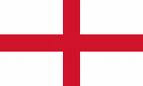 ten have national symbols or emblems. Britain is usually shown as a lion or a bulldog. The USA has an eagle as its symbol. Australia uses a kangaroo, in Spain the bull.
Countries of
 ten have national symbols or emblems. Britain is usually shown as a lion or a bulldog. The USA has an eagle as its symbol. Australia uses a kangaroo, in Spain the bull.
Countries have their own national colours, too. These are usually the colours of the national flag. The patriotic colours in Britain and the USA are 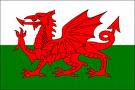 red, while and blue. Companies and political parties o
 ften use these colours to create a feeling of national pride.
The different parts of Britain have their own emblems, too. They are all plants. You can see them on pound coins:
England has the rose. Sctland has the thistle. Wales has the leek.
In the fift eenth century there was a long series of wars in England, which was called the Wars of the Roses. It was fought between the Duke
 s of Lancaster and the Dukes of York over who should be king. The emblem of Lancaster was the red rose and the emblem of York was the white rose. Eventually the Duke of Lancaster won, so the rose in the English emblem is the red rose.
Each country has its own colour, too. These are used, for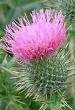 example, for football or rugby teams. The colours for the different parts of Britain are:
England white, Scotland blue, Wales red.
These colours come from the national flags. The English flag is white with a red cross. The Scottish flag has a white cross on a blue background. The Welsh flag shows a red dragon.
 red, while and blue. Companies and political parties o
 ften use these colours to create a feeling of national pride.
The different parts of Britain have their own emblems, too. They are all plants. You can see them on pound coins:
England has the rose. Sctland has the thistle. Wales has the leek.
In the fift
 eenth century there was a long series of wars in England, which was called the Wars of the Roses. It was fought between the Duke
 s of Lancaster and the Dukes of York over who should be king. The emblem of Lancaster was the red rose and the emblem of York was the white rose. Eventually the Duke of Lancaster won, so the rose in the English emblem is the red rose.
Each country has its own colour, too. These are used, for
 example, for football or rugby teams. The colours for the different parts of Britain are:
England white, Scotland blue, Wales red.
These colours come from the national flags. The English flag is white with a red cross. The Scottish flag has a white cross on a blue background. The Welsh flag shows a red dragon.
lunes, 20 de octubre de 2008
DON QVIXOTE OF THE MANCHA
DON QUIJOTE DE LA MANCHA
Don Quijote de la Mancha is a book written by Miguel de Cervantes in the 16th century. It is a novel about chivalry , and one of the most interesting and amusing books I have ever read.
The story takes place in Spain , in a place called La Mancha. The two main characters are Don Quijote and Sancho Panza. Don Quijote is a knight who is absolutely obsessed with books about chivalry and is determined to help any lady in danger and to do justice, Sanc ho Panza is his squire. He follows his master, Don Qujote, because he was promised an island in return for his services. Throughout the book, they travel all over Spain and get into de most unbelievable and sometimes ridiculous situations.
But the book is much more than entertainment, Don Quijote represents idealism, and Sancho Panza, everyday reality. While Don Quijote lives in a world of fantasy, Sancho acts as a counterbalance. Together, they give a more complete picture of human nature, and, far from cancelling each other out, they seem to complement each other, just as realism and idealism are parts of all of us.
I was really impressed by the description of the places, characters and situations. Miguel de Cervantes uses a humorous style to show the reader that life should be a mixture of idealistic and sensible attitudes to life. I really enjoyed reading the book and would recommend it to anyone.
Don Quijote de la Mancha is a book written by Miguel de Cervantes in the 16th century. It is a novel about chivalry , and one of the most interesting and amusing books I have ever read.
The story takes place in Spain , in a place called La Mancha. The two main characters are Don Quijote and Sancho Panza. Don Quijote is a knight who is absolutely obsessed with books about chivalry and is determined to help any lady in danger and to do justice, Sanc
 ho Panza is his squire. He follows his master, Don Qujote, because he was promised an island in return for his services. Throughout the book, they travel all over Spain and get into de most unbelievable and sometimes ridiculous situations.
But the book is much more than entertainment, Don Quijote represents idealism, and Sancho Panza, everyday reality. While Don Quijote lives in a world of fantasy, Sancho acts as a counterbalance. Together, they give a more complete picture of human nature, and, far from cancelling each other out, they seem to complement each other, just as realism and idealism are parts of all of us.
I was really impressed by the description of the places, characters and situations. Miguel de Cervantes uses a humorous style to show the reader that life should be a mixture of idealistic and sensible attitudes to life. I really enjoyed reading the book and would recommend it to anyone.
Richmond Publishing: http://www.madeeasys-22.net
jueves, 4 de septiembre de 2008
ENVIRONMENTAL GROUPS
ENVIRONMENTAL GROUPS
There are several groups in Britain which try to protect the environment. The most famous group is Greenpeace, which campaigns in many countries around the world. They have campaigned against hunting whales, pollution in the North Sea, nuclear power, testing nuclear weapons, and many other issues. Greenpeace supporters organize demonstrations and they also take direct action. For example, they block pipes that pour pollution into the sea.
Another important environment group is Friends of the Earth. They have led campaigns against global warming, the destruction of the rain forest, and the hole in the ozone layer. There is also a green Party, which is a political party. It regularly fights elections and it has won seats in the European Parliament and on local councils.
There are many other groups which are concerned with protecting the environment, for example, the Royal Society for the Protection of Birds (RSPB), which campaigns to protect birds against dangers such as pesticides and hunting. Some environmental groups are very old. The oldest is the National Trust which was set up in 1895 to protect parks, buildings and monuments in Britain.
http://www.greenpeace.org/international/campaigns/oceans
There are several groups in Britain which try to protect the environment. The
 most famous group is Greenpeace, which campaigns in many countries around the world. They have campaigned against hunting whales, pollution in the North Sea, nuclear power, testing nuclear weapons, and many other issues. Greenpeace supporters organize demonstrations and they also take direct action. For example, they block pipes that pour pollution into the sea.
Another important environment group is Friends of the Earth. They have led campaigns against global warming, the destruction of the rain forest, and the hole in the ozone layer. There is also a green Party, which is a political party. It regularly fights elections and it has won seats in the European Parliament and on local councils.
There are many other groups which are concerned with protecting the environment, for example, the Royal Society for the Protection of Birds (RSPB), which campaigns to protect birds against dangers such as pesticides and hunting. Some environmental groups are very old. The oldest is the National Trust which was set up in 1895 to protect parks, buildings and monuments in Britain.
http://www.greenpeace.org/international/campaigns/oceans
martes, 2 de septiembre de 2008
INTERNATIONAL ORGANIZATIONS

INTERNATIONAL ORGANIZATIONS
Almost every country is a member of the United Nations (UN). Most countries also belong to other smaller international groups. Britain belongs to three other international organizations: the Commonwealth of Nations, the European Union (EU) and NATO ( The North Atlantic Treaty Organization).
The Commonwealth consists of most of the countries that were once parts of the British Empire. There are 53 members. Some are very large countries like Canada, India and Australia. Some are just small islands like Barbados and Tonga. The Head of the Commonfwealth in the Quuen. There is also a Secretary-General, who is chosen from any one of the 53 countries. The Commonwealth promotes educational programmes and exchanges between the different countries. Every four years they hold the Commonwealth Games.
Britain is one of the fifteen countries of the European Union. She joined en 1973 at the same time as Denmark and th e Republic of Ireland. Joining the EU brought many changes. Previously, Britain had bought a lot of food from the other countries in the Commonwealth, but after joining the EU, she had to buy it from European countries instead. The caused some problems for Commonwealth countries like New Zealand.
NATO is a military organizations. It consists of most of the countries of Western Europe together with Canada and the United States. Its headquarters is in Brussels.
Almost every country is a member of the United Nations (UN). Most countries also belong to other smaller international groups. Britain belongs to three other international organizations: the Commonwealth of Nations, the European Union (EU) and NATO ( The North Atlantic Treaty Organization).
The Commonwealth consists of most of the countries that were once parts of the British Empire. There are 53 members. Some are very large countries like Canada, India and Australia. Some are just small islands like Barbados and Tonga. The Head of the Commonfwealth in
 the Quuen. There is also a Secretary-General, who is chosen from any one of the 53 countries. The Commonwealth promotes educational programmes and exchanges between the different countries. Every four years they hold the Commonwealth Games.
Britain is one of the fifteen countries of the European Union. She joined en 1973 at the same time as Denmark and th
 e Republic of Ireland. Joining the EU brought many changes. Previously, Britain had bought a lot of food from the other countries in the Commonwealth, but after joining the EU, she had to buy it from European countries instead. The caused some problems for Commonwealth countries like New Zealand.
NATO is a military organizations. It consists of most of the countries of Western Europe together with Canada and the United States. Its headquarters is in Brussels.
Oxford ed.
domingo, 31 de agosto de 2008
CRUISE SHIP (I)
VOCABULARY about SHIPS
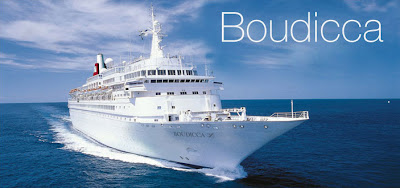
You need vocaburary in your " Cruise Ship) !!!
The upper berth = la liter a de Arriba . / The lower berth = la litera de Abajo .
The upper berth = la liter
 a de Arriba . / The lower berth = la litera de Abajo .
/ Traveller = viajero. / My favourite ships = mis barcos favorites. /The habit = la constumbre . / (to) wait = esperar. / (to) board = subir a bordo. /Voyage = viaje. / I got on board = yo subí a bodo / and I hailed a steward = yo saludé al camarero. / I recognized = yo conocía. / I ask = yo pido, pregunto. I asked him = yo le pedí. / (to) accompany = acompañar . / cabin = camarote. / Another bottle of dry champagne = otra botella de champán. /He took my luggage = el cogió mi equipaje. / And led the way = y me indicó el camino . / I followed him = yo lo seguí. / Cabin was on the lower deck = el camarote estaba en la cubierta inferior. / On the port side and near the stern = del lado de babor y cerca de la popa.
There was a washstand = había un lavabo. / More passengers and tips = más pasajeros y propinas. / It is always a good things to be on the good side of the stewards = Siempre es bueno estar a bien con los camareros. / Possibly his fees had gone up = probablemente sus tarifas habián subido. An he was not satisfied = y no estaba satisfecho. /However, I was wrong. Sin embargo, estaba equivocado. / The first day at sea = El primer día en el mar. /People pace the decks = las personas caminan por las cubiertas. / They speculate about the food and the weather = Hablan sobre la comida y el tiempo. / The passengers seasick = los pasajeros se marean. / One trip across the Atlantic = Un viaje a través del Atlántico. I had a companion = yo tenía un compañero. / I was asleep when = Yo estaba dormido cuando. / My roommate = mi compañero de habitación. / To open the bolt of the door = abrir el pestillo de la puerta. /I heard his footsteps = y oí sus pasos. / Living the door open behind him = dejando la puerta abierta detrás de él . I gota up and shut it and returned to my berth = Me levanté y la cerré, y regresé a mi litera.
/ I went to sleep again = Volví a dormirme.
But I have no idea how long I slept = pero no tengo si idea de cuánto tiempo dormí. When I woke up it was still quite dark = Cuando me desperate aún estaba bastante oscuro. I felt cold and the air was damp = sentía frío y el aire era húmedo. I know the peculiar smell of a cabin = Yo sé (conozco) el olor peculiar de un camarote. To make a complaint = Presentar un queja. The ship was rolling heavely = el barco se balanceaba pesadamente. I decided that I had slept enough = decidí que ya había dormido suficiente. As I said before = como he dicho antes. The cabin was uncomfortable = el camarote era incómodo. So I dressed quickly and went up on deck = de manera que me vestí rápidamente y subí a cubierta. The ship´s doctor = el médico del barco. A fine morning = una mañana estupenda. By way of an introduction = a modo de presentación. “I was very cold last night “I said: anoche pasé mucho frío- dije- . The cabin was damp = el camarote estaba húmedo. What´s the matter? I asked ¿Qué pasa? Pregunté. Oh – nothing, he answered = Oh …nada – respondió -. I like this ship = me gusta este barco. What are you saying? ¿ Qué está diciendo?. Before we reached our destination = antes de llegar a nuesto destino.
Suscribirse a:
Entradas (Atom)


